Bedding Materials · Sleep Comfort
Wool Comforters Explained: Breathability, Warmth, and Care
A comforter has a quiet but consequential job: keeping warmth close without making the bed feel sealed. Wool is often praised for balancing insulation with moisture management, yet its performance depends on more than the name on the label. Fill, construction, weight, bedroom conditions, and care all shape how a wool comforter feels night after night.
Published November 6, 2026
The appeal of a less sealed-in kind of warmth
People often describe a warm bed as if warmth were a single, simple thing. In practice, a comfortable night depends on a small negotiation between the body and its surroundings: heat is produced, air moves, moisture gathers and disperses, and bedding either helps that exchange along or interrupts it. A comforter’s fill is part of this arrangement. It influences how much still air the bedding holds, how the layers settle across the body, and whether the sleeper feels comfortably covered or overheated.
Wool has a particular reputation in this conversation. Its fibers can trap air, providing insulation, while the material can also take up water vapor and release it gradually. That combination is why wool bedding is often associated with warmth that does not feel as clammy or close as some sleepers experience under less breathable layers. It is a useful distinction, not a promise: a wool comforter cannot guarantee a particular temperature or solve every cause of nighttime sweating.
For someone weighing bedding materials, the point is not that wool is universally superior. It is that wool may suit a specific preference: a bed that feels insulated but not excessively stuffy. Whether it does so depends on the comforter’s design and on the room, the sleeper, and the other layers in use. A warm bedroom, a heavy duvet cover, and a naturally warm sleeper can change the experience considerably.
How wool manages warmth and moisture
Wool fibers have a naturally complex structure. In bedding, that structure matters because fibers and the spaces between them help hold pockets of air. Still air slows the transfer of heat, which contributes to insulation. The result is not heat created from nowhere; rather, the bedding helps retain some of the warmth already present beneath it.
Wool is also hygroscopic, meaning it can absorb water vapor from its surroundings. This is different from saying that a comforter will keep a person dry under all conditions. The fiber’s capacity to take up moisture can affect how a bedding layer feels as humidity changes, but moisture still has to go somewhere. Airflow through the full bedding system, the room’s ventilation, and the amount of moisture produced all play a part.
This distinction helps explain the word “breathable,” which is often used loosely in bedding descriptions. Breathability does not mean that a comforter is cool in every setting, or that it actively regulates a person’s body temperature like a thermostat. It describes how readily air or water vapor can move through a material or construction. A tightly quilted comforter with a dense cover may feel different from a lighter, more open one, even if both contain wool.
In a bedroom that tends to run cool, wool’s insulating qualities may be welcome. In a room that stays warm, the same comforter may still feel too substantial for a particular sleeper. The most useful question is not simply “Does wool regulate temperature?” but “Does this particular weight and construction feel comfortable in my room, with my other bedding, across the seasons I care about?”
Construction matters as much as the fiber
“Wool comforter” identifies a fill material, not a single design. Comforters can differ in the amount of wool, the form of the fill, the fabric of the shell, and the way the layers are stitched or secured. These details affect drape, loft, weight, and how evenly the fill stays distributed.
Some wool bedding uses batts or layered batting: sheets of fiber arranged in relatively even layers. Other constructions may use loose or clustered wool held within compartments. The first can create a more uniform, structured feel; the second may have a softer, more flexible loft. Neither description alone tells you whether a comforter will feel right. The comforter’s overall weight and the quality of its stitching or quilting deserve attention, too.
Quilting can help keep fill from shifting, but the pattern and spacing influence the way the comforter lies. Closely spaced stitching may make the surface feel more controlled, while larger sections can allow a fuller, looser drape. If a product description provides information about construction, look for plain, specific terms rather than relying on broad claims such as “cloud-like” or “perfect for every sleeper.”
The shell also plays a role. Cotton is a familiar option, and its weave can affect softness and airflow. A shell that feels crisp and breathable may produce a different impression from one that is tightly woven or treated for a particular finish. A duvet cover adds another layer of fabric, so the feel of the complete bed may not be identical to the feel of the comforter alone.
When comparing options, check whether the quoted weight refers to the fill alone or to the finished comforter, and whether the listing gives dimensions. Two products with similar descriptions may not offer comparable coverage or warmth if their size, fill quantity, and construction differ. Where possible, use the maker’s specifications and care label as the basis for comparison.
Weight, loft, and the question of seasons
Weight is one of the most practical ways to think about a comforter, but it is not a complete measure of warmth. A heavier comforter can feel more enveloping and may suit someone who likes the sensation of substantial bedding. Loft, fill distribution, shell fabric, and the room’s temperature also affect the experience. Two comforters of equal weight can feel quite different if their fibers and construction are not alike.
A lightweight wool comforter may be a reasonable starting point for a warmer room or for someone who prefers less coverage. A heavier model may appeal to someone who sleeps in a cool room or enjoys a more substantial bed. These are starting points rather than rules. Personal temperature comfort varies, and the same sleeper may want different bedding in a drafty winter bedroom than in a well-insulated apartment.
Layering offers another approach. Instead of asking one comforter to serve every month, a sleeper might use a lighter cover in warm weather and add a blanket when temperatures fall. The advantage is flexibility; the disadvantage is that extra layers can change the bed’s feel and make it harder to judge the comforter on its own. A duvet cover can also be changed seasonally, though a thicker or less breathable cover may alter how the bedding feels.
It is worth being cautious about labels such as “all-season.” The phrase does not have one universal meaning, and climate, insulation, heating habits, and individual preferences vary. A product’s stated weight, dimensions, fill composition, and construction give a more useful picture than a seasonal label alone. If a seller provides a warmth scale, treat it as a guide specific to that product range rather than a standardized measure across all brands.
Who might appreciate wool bedding?
A wool comforter may be worth considering for sleepers who want warmth but dislike a heavy, overly enclosed feeling. It may also appeal to people interested in natural fibers or in bedding materials with moisture-handling characteristics distinct from many synthetic fills. But material preferences are personal. Some sleepers prefer the airy softness of down, the familiar washability of certain synthetic comforters, or the flatter profile of a blanket.
Allergies and sensitivities call for particular care in the decision. Wool itself is not the same as dust or a dust mite, but a person’s response can depend on the fiber, residual lanolin, processing, shell, and household conditions. “Hypoallergenic” is not a guarantee that a material will suit every individual. Anyone with a known sensitivity should review the full material details and, when appropriate, seek advice from a qualified health professional.
Wool can also be less convenient for households that expect bedding to be machine washed frequently. Some products are spot-clean only or recommend professional cleaning; others may have specific washing instructions. The comforter’s upkeep should fit the household’s habits, not merely its idealized version of a tidy linen cupboard.
A practical way to compare comforters
Reading bedding specifications can feel like examining a small contract. A short checklist helps turn a collection of appealing adjectives into information that can actually guide a choice.
- Fill composition: Confirm whether the fill is wool alone or a blend, and look for clear details about the materials used.
- Weight and dimensions: Check the finished size and, if stated, the fill weight. Make sure the coverage suits the mattress and the way the bed is made.
- Construction: Look for information about quilting, compartments, batting, or other methods used to keep fill in place.
- Shell fabric: Note the fiber and, where available, the weave or other finish. The shell and any duvet cover contribute to the overall feel.
- Care instructions: Find out whether the comforter can be washed, spot-cleaned, or professionally cleaned, and whether it should be aired between uses.
- Return or trial terms: Comfort is difficult to predict from a description. Understand the seller’s terms before relying on a product as a long-term solution.
It can help to consider the existing bed as a system. A breathable comforter over a thick, heat-retaining mattress protector may not feel especially cool. A thin cotton cover may let the comforter’s character come through more clearly than a dense coverlet. Small changes to the bedroom’s temperature and airflow may matter as much as a switch in fill.
Care: follow the label, not a general rule
Wool bedding does not have one universal cleaning routine. The care instructions depend on the product’s fill, shell, stitching, and construction. Some comforters should not be placed in a domestic washing machine; agitation, heat, or inappropriate detergent may cause shrinkage, matting, or damage. Others may have different instructions. The sewn-in label and the manufacturer’s guidance take precedence over general advice.
For everyday maintenance, a duvet cover is a useful first line of protection. It can usually be laundered more easily than the comforter itself and helps limit direct contact with dust, body oils, and spills. Allowing the bedding to air periodically, in line with the maker’s instructions, can help it feel fresh. Avoid prolonged exposure to harsh sunlight unless the care guidance says it is appropriate; direct sun and excess heat may affect textile fibers or color.
For a small spill, follow the care label and act gently. Blotting rather than rubbing can reduce the risk of spreading moisture or damaging the surface. Do not saturate the comforter unless its instructions permit washing. If a full clean is needed and home washing is not recommended, a professional cleaner familiar with wool bedding may be the safer option. Ask in advance whether the cleaning method is suitable for the item’s construction.
Storage matters, too. Make sure bedding is fully dry before putting it away. Store it in a clean, breathable bag or container rather than sealing damp fabric in plastic. A dry, ventilated cupboard is generally preferable to a place subject to moisture or large temperature swings. Keeping the label or care information with the bedding can save guesswork when the season changes.
Wool compared with other bedding materials
Choosing between wool and other fills is less a contest than an exercise in matching trade-offs. Down is valued for its lightness and loft, although its warmth and maintenance depend on construction and fill quality. Polyester and other synthetic fills are available in many weights and may be easier to wash, depending on the product. Cotton comforters can have a flatter, more familiar feel. Each material behaves differently, and each category includes products of varying quality.
Wool’s distinctive case is its combination of insulating capacity and moisture-vapor handling. That can make it attractive to someone who wants a naturally sourced fill and a warm but less sealed-in sensation. Its potential drawbacks are practical: the comforter may be heavier or less easily laundered than the sleeper expects, and its warmth may not suit every climate. The word “natural” alone does not settle questions of durability, environmental impact, animal welfare, or performance; those depend on sourcing and processing details that should be assessed separately.
If a comparison is close, the most useful evidence may be mundane: a clear return policy, transparent material information, and a care routine you are willing to follow. A comforter that performs beautifully but requires maintenance you will never undertake is not necessarily the practical choice.
Common assumptions worth reconsidering
“Wool is always hot.” Wool can provide substantial insulation, but warmth depends on fill quantity, loft, construction, covers, and room conditions. A lighter wool comforter is not equivalent to a thick winter-weight one.
“Breathable means cool.” Breathability describes the movement of air or vapor through a material or structure. A breathable comforter can still be too warm for a hot room or a warm sleeper.
“Natural fibers need no special care.” Wool may require more careful handling than bedding designed for routine machine washing. The care label is part of the product’s practical value, not an afterthought.
“One comforter will suit everyone in the household.” People differ in how much warmth and weight they enjoy. In a shared bed, one person may prefer layers that can be adjusted independently rather than a single, fixed solution.
“A material claim guarantees a health benefit.” Bedding can influence comfort, but a comforter is not a treatment for insomnia, night sweats, allergies, or other health concerns. Persistent or troubling symptoms deserve discussion with a qualified clinician.
A small wool pillow, and a related question of care
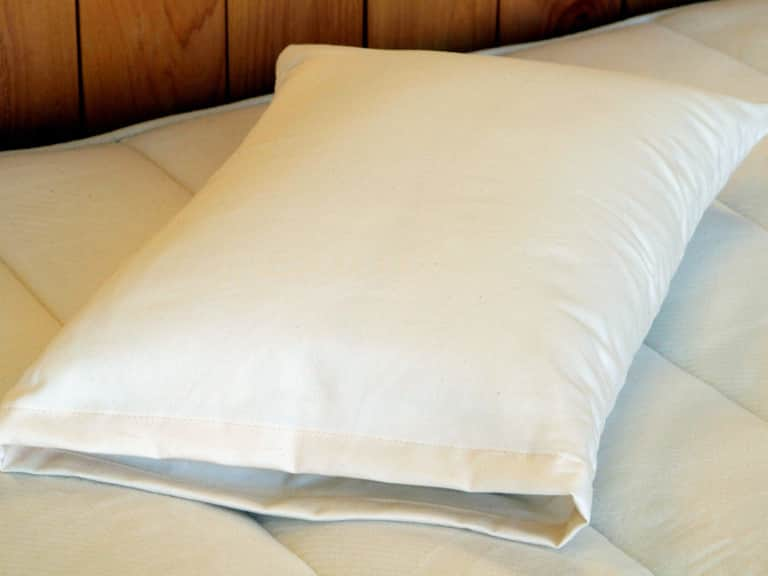
The principles of fill and maintenance also apply to smaller bedding, though pillows and comforters serve different purposes. For example, the Snuggle Pillow uses domestically sourced Premium Eco Wool in an organic cotton sateen cover. It is designed as a lightweight, packable pillow for children, and its care instructions distinguish between the spot-clean-only pillow and its separate washable case. That is a useful reminder that a natural fiber does not, by itself, tell you how an item should be cleaned.
It is not a substitute for a wool comforter, nor a guide to the care of one. The relevant lesson is simpler: check the construction and instructions of the particular item in front of you. Materials may share a name while differing substantially in form, purpose, and maintenance.
The useful question is how the whole bed feels
Wool’s appeal rests on a plausible and practical combination: it can insulate while allowing moisture vapor to move through the bedding. That makes it a candidate for sleepers who seek warmth without an overly enclosed sensation. But no material works in isolation. Comfort comes from the interaction of fill, shell, cover, mattress, room temperature, and personal preference.
Before deciding, compare the comforter’s actual specifications rather than its most persuasive adjectives. Consider the weight you enjoy, the room in which it will be used, and whether the care routine fits your life. If you tend to sleep warm, a lighter option or a more adjustable arrangement may be preferable. If you sleep in a cool room and like the feel of substantial bedding, a heavier construction may be worth exploring.
There is no prize for choosing the most sophisticated-sounding fiber. A good comforter is the one that helps the bed feel comfortable, suits the climate, and can be cared for as intended. Wool may be that material for some sleepers. For others, the best choice will be a different fill, a different weight, or simply fewer layers between the body and the quiet of the room.
At a glance
- Wool can provide insulation while taking up and releasing moisture vapor, but it does not guarantee a cool or dry night.
- Fill weight, loft, quilting, shell fabric, duvet cover, and room conditions all influence comfort.
- Compare clear specifications and care instructions; seasonal labels alone are not enough.
- Follow the product’s own care label, especially before washing or storing a wool comforter.